
Italian Family Traditions
What Is Fare la Scarpetta? The Italian Table Habit Many Families Still Remember
Some traditions come with saints, feast days, or family recipes handed down in careful handwriting. This one comes with bread and a nearly empty plate. And honestly, that feels more Italian than almost anything else.
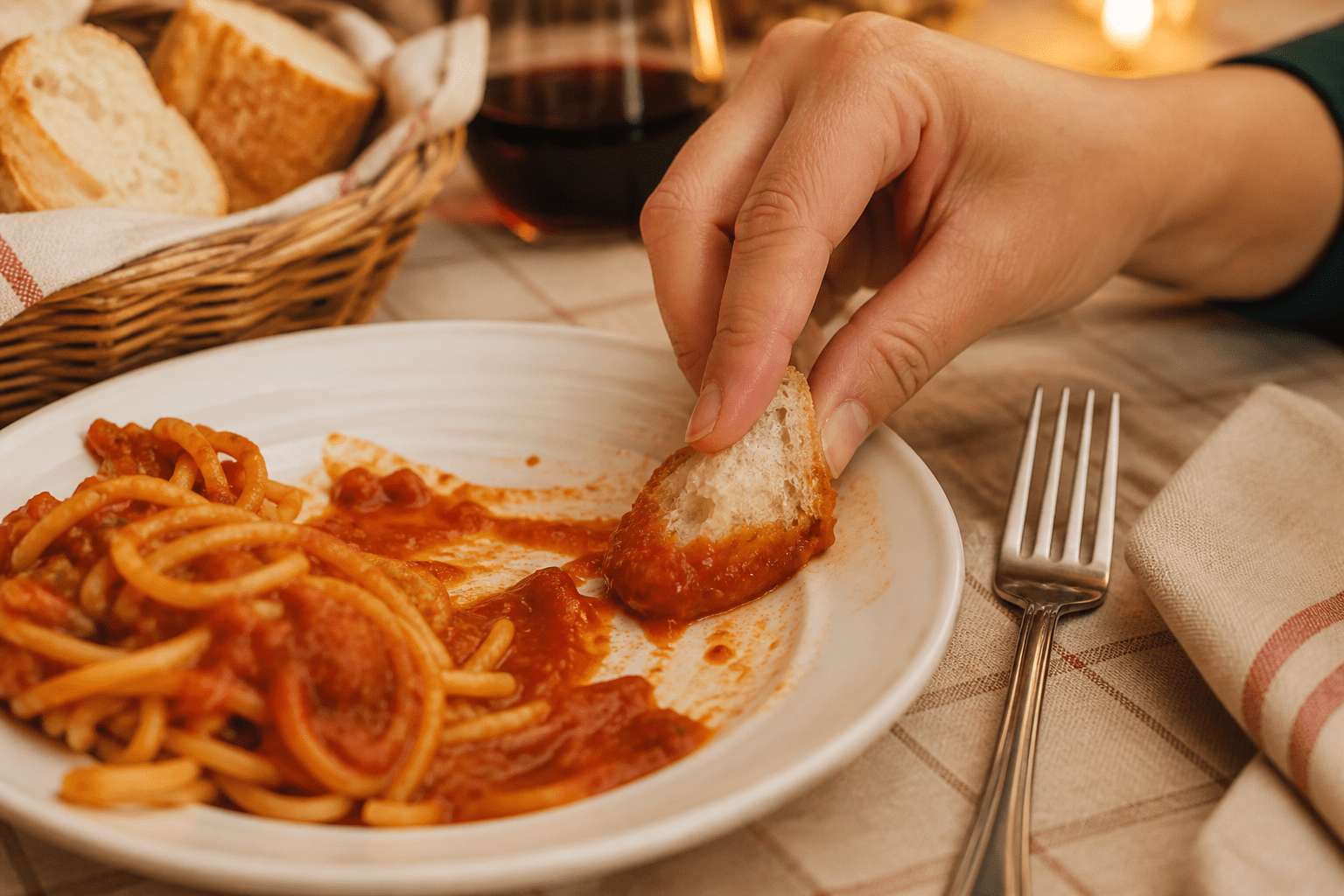
My grandfather did it without thinking. That is the thing I remember most clearly — not the gesture itself but the automatic quality of it, the way it belonged to the end of a meal the way a period belongs at the end of a sentence. The plate would arrive at that stage where the sauce was reduced to a thin film on the porcelain, still fragrant, still carrying all the work that had gone into it. He would tear a piece of bread — always by hand, never with a knife — and drag it through the remaining sugo in one slow, deliberate arc. Then he would eat it and set the bread down and that was the meal. Complete. Nothing left behind. Everything accounted for.
He never made a performance of it. He never looked up to see if anyone was watching. He was not demonstrating anything. He was just finishing properly. That distinction matters. The families who practiced la scarpetta were not making a statement about Italian culture. They were making a statement about the sauce — which was that it was too good to leave on the plate, and that leaving it there would have been a kind of ingratitude toward whoever made it.
Fare la scarpetta is not really about bread touching sauce. It is about a family that has stopped pretending. When someone does la scarpetta at your table, the meal has been real — and that is the only review a cook actually needs.
What fare la scarpetta is
In the simplest possible terms, fare la scarpetta means using a piece of bread to gather the sauce or seasoning left on the plate at the end of a meal. Treccani’s vocabulary entry gives exactly that meaning. The Accademia della Crusca — Italy’s highest authority on the Italian language, founded in Florence in 1583 — defines it as collecting what remains on the plate with bread, noting that the bread may be held with the fingers or, less commonly, on a fork. Both define it. Neither can quite explain what it feels like when it happens at a family table after Sunday lunch.
The family answer is better than the dictionary one. At home, la scarpetta was the final proof that a meal had really landed. Not “that was nice” — more like “this sauce deserved respect.” It is one of those gestures that tells you everything about Italian table culture in a single second. Good food should be finished properly. Bread does not sit there doing nothing. And a plate with great sugo still on it looks almost sad if nobody closes the loop.
What fare la scarpetta said at the table
Like most things in Italian family life, the gesture carried more meaning than its size suggested.
| The moment | What it really meant |
|---|---|
| A little sauce left on the plate | The dish was too good to leave behind — not finishing it would have been disrespectful to whoever made it |
| Reaching for bread at the end | Comfort, familiarity, and zero pretending — a sign that the table had relaxed into itself |
| Doing it at home but not everywhere | The line between family warmth and formal etiquette — and a clear indication of which side of that line you were on |
| Someone laughing when you do it | The meal is genuinely lived in. Nobody here is performing. |
| An older relative encouraging it | Approval that the food was worth finishing — the highest possible compliment in one small nod |
| A child copying the adults | Culture being passed down without a speech, a lesson, or anyone deciding to teach anything |
| A totally clean plate at the end | Satisfaction, appreciation, and a wordless statement that nothing in this kitchen goes to waste |
That is why the habit stayed alive. It was never only about bread touching sauce. It was about the mood of the meal — and the mood of the family that made it.
Where the expression comes from
The word itself is more interesting than it first appears. Scarpetta is the diminutive of scarpa — shoe. Little shoe. The bread, in the original imagining, walked around the plate like a small shoe, picking up what the fork had left behind. That image — homely, comic, slightly endearing — is exactly right for a gesture that was never trying to be grand.
The Accademia della Crusca is honest about the fact that the exact origin is not fully certain. Written attestations appear at least by the mid-20th century, but older regional evidence from the late 1800s suggests the gesture — and probably the word — is much older than its first documented appearance in standard Italian. La Cucina Italiana similarly notes appearances in late-19th-century dialect sources. The Treccani language section acknowledges multiple competing theories without committing to one.
That uncertainty almost makes the phrase better. It feels folk-made — something people said long before anyone sat down to explain it neatly. It belongs to the oral tradition of the kitchen and the table rather than to any literary moment someone can point to with authority. Which is fitting, because the gesture itself belongs to exactly the same place.
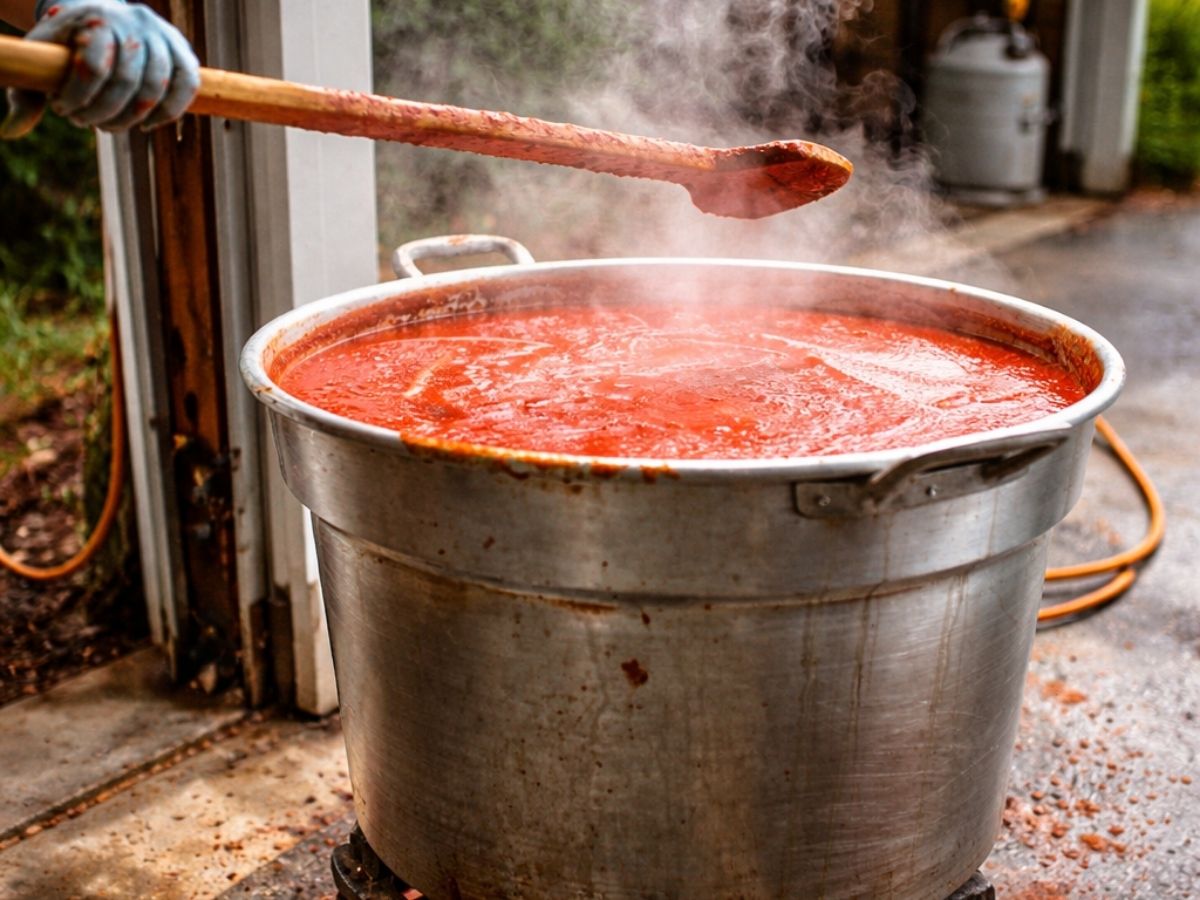
My grandmother made the Sunday ragù for four or five hours. This is not an exaggeration or a romantic memory — it was genuinely four to five hours, with the pot lid left slightly ajar so the steam could escape without letting the sauce dry out, with occasional checking and occasional adjusting, with the smell of it filling the whole apartment from eleven in the morning onward. By the time it reached the table it had been reduced to a density and depth of flavor that had no business being achieved by tomatoes and pork and time alone. When the pasta was gone, there was always a thin film of it left on the plate — darker than the pasta sugo, almost mahogany, fragrant in the way that a long-cooked thing is fragrant. My grandfather would look at it for exactly one second. Then the bread. That one second was not hesitation. It was appreciation. He was acknowledging what was there before he finished it. I have never forgotten that one second.
Was fare la scarpetta considered rude?
This is where Italian family life gets very honest about itself.
In formal etiquette — the galateo tradition that governed Italian social conduct — la scarpetta was considered too informal for polite company. The Accademia della Crusca states plainly that traditional galateo forbids it in formal settings. At the same time, the same source notes that the celebrated Italian chef Gualtiero Marchesi — one of the most influential figures in modern Italian cuisine — saw it positively as a sincere sign of appreciation and a way to avoid waste. La Cucina Italiana describes it as the informal gesture par excellence of Italian table ritual — once condemned by etiquette books, later encouraged by the people who actually understood food best.
That tension is part of what makes the tradition memorable. You were not supposed to do it everywhere. But at the right table, with the right people, after the right sauce, not doing it almost felt wrong. The etiquette question started losing very quickly when the sugo was exceptional. And in most Italian family kitchens, the sugo was exceptional every Sunday.
There was a rule in our house, unstated but understood: la scarpetta was for home. Not restaurants, not other people’s houses on first visits, not formal occasions. Home. The distinction was maintained with the specific Italian instinct for knowing which rules are real and which ones are for other people. Among family, the gesture was not only permitted — it was, in some atmospheres, practically obligatory. To not do it after a great ragù was its own kind of statement, and not a flattering one. But you earned the scarpetta. You earned it by being at a table where nobody needed to perform anymore.
Fare la scarpetta and the Italian table — what it connects to
La scarpetta belongs to a larger tradition of Italian table culture that is worth understanding as a system rather than a collection of individual habits. The same instincts that produce la scarpetta — the reverence for good food, the refusal of waste, the comfort with pleasure at the table — also produce the Sunday lunch that lasts four hours, the unwritten rules of the Italian table that every family member absorbed without being formally taught, and the specific quality of silence that falls over an Italian table when the food is genuinely good.
That silence is its own thing. Not awkward silence. Focused silence. The silence of people who are actually eating rather than performing the act of eating. La scarpetta belongs to that same quality of attention. It says: this dish had a last good moment in it, and I am not going to miss it because I was too busy being polite.
The Accademia della Crusca notes that the expression is widespread across the whole of Italy and records many regional dialect alternatives for the same gesture — different words for the same instinct in different parts of the country, which tells you how deeply rooted this is in daily Italian life rather than in any single regional tradition. La Cucina Italiana treats it as a beloved national habit with a long cultural memory.
Fare la scarpetta in Italian-Canadian and Italian-American families
Like most Italian table habits, la scarpetta crossed the ocean without needing a suitcase. It was embedded in the people rather than in objects or places or specific regional customs. It came with the sauce. As long as the sauce was being made — and in Italian-Canadian and Italian-American households, the sauce was always being made — the scarpetta was going to happen at the end of the meal.
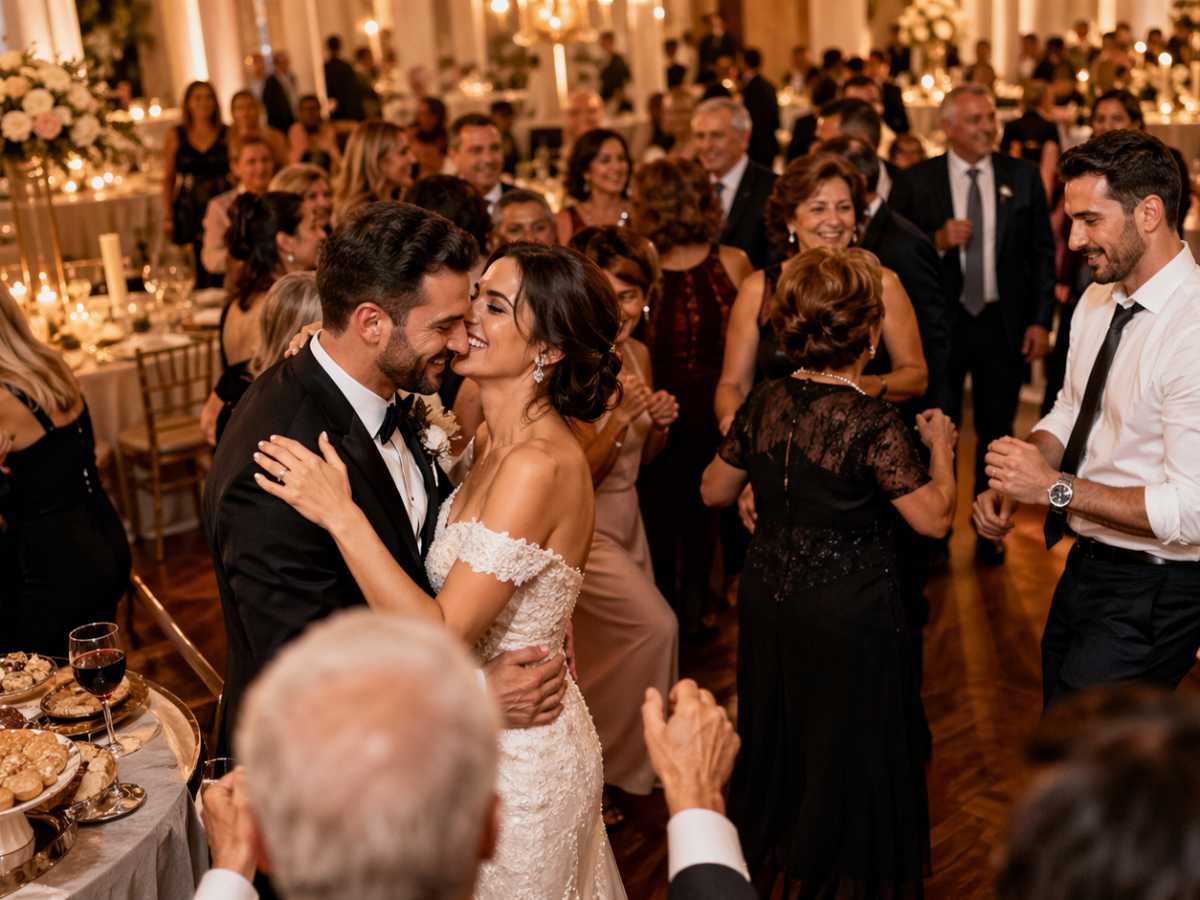
In the houses of Little Italy in Montreal, in Saint-Michel, in Rivières-des-Prairies, in every Italian neighborhood in North America where Sunday lunch still meant something specific and long and worth sitting through, the scarpetta happened. Not as a deliberate preservation of tradition. Just as the natural conclusion of a meal that had been cooked properly. The children who grew up in those houses absorbed it the same way they absorbed everything else at the Italian table: by watching, by copying, by being part of a meal where nobody sat them down to explain what was happening.
That is how la scarpetta survived and how it will continue to survive — not through preservation efforts or heritage programs, but through great sauce and the specific human instinct not to leave good things unfinished. It is part of the broader story of Italian-American and Italian-Canadian traditions after immigration — the habits that required no special occasion and no formal transmission, just a table and a reason to sit at it.
How to keep the tradition alive today
This is one of the easiest Italian traditions to maintain because it was never elaborate. You need bread and a sauce worth finishing. That is the whole infrastructure.
Make the ragù. Make the sugo. Make whatever sauce deserved four hours of attention. Set it on the table. And when the pasta is gone and there is still something on your plate, reach for the bread and use it — without apology, without announcement, without turning it into a lesson. Let your children see you do it. Tell them what it is called if they ask. That is the entire pedagogy.
La scarpetta was never taught. It was absorbed — the way everything at the Italian table was absorbed — through proximity, repetition, and the specific pleasure of being in a room where good food is being taken seriously. For more on the Italian table habits that shaped family life across generations, read about the Italian table manners many of us grew up with. And for how to get children genuinely engaged in these kinds of table traditions, read how to get your kids interested in their Italian heritage.
He would tear a piece of bread by hand, drag it through what was left, eat it, set the bread down. Complete. Nothing left. Everything accounted for. Fare la scarpetta says: the sauce was worth this. The person who made it was worth this. This table is the kind of place where we finish properly and we do not pretend otherwise.
Make the sauce. Reach for the bread. Let the children see you do it. The rest takes care of itself.
Fare la scarpetta belongs to the same Italian table culture as the unwritten rules of the Italian meal and the traditions that made La Vigilia and the Capodanno table what they were. For how to record the table memories older relatives carry, read how to record family stories before they’re lost. And for the broader story of how Italian table culture survived immigration, read Italian-American traditions: what changed and what stayed.
FAQ
What does fare la scarpetta mean?
Fare la scarpetta means using a piece of bread to gather the sauce or seasoning left on the plate at the end of a meal. Treccani’s vocabulary entry gives exactly that definition, and the Accademia della Crusca — Italy’s highest authority on the Italian language — describes it as collecting what remains on the plate with bread, held either with the fingers or on a fork. In family life it meant something beyond the mechanics: a final acknowledgment that the food was too good to leave behind and that the person who made it deserved a clean plate as the only review that matters.
Is fare la scarpetta rude?
In formal Italian etiquette — the galateo tradition — it has historically been considered too informal for polite company. The Accademia della Crusca confirms that traditional galateo forbids it in formal settings. However, the same source notes that celebrated Italian chef Gualtiero Marchesi and many others in the culinary world have defended it as a sincere sign of appreciation and a meaningful way to avoid waste. La Cucina Italiana calls it the informal gesture par excellence of Italian table ritual. The honest answer: at a restaurant or formal dinner, probably leave it. At home, after a great ragù, among people who love you — the question barely makes sense.
Why is it called la scarpetta?
Scarpetta is the diminutive of scarpa — shoe. Little shoe. The image is of a small piece of bread walking around the plate like a tiny shoe, gathering what the fork left behind. The Treccani language section acknowledges that the exact origin is not fully settled and records several competing theories. The Accademia della Crusca traces written attestations to at least the mid-20th century but notes older regional evidence from the late 1800s. It feels folk-made — coined in kitchens rather than by anyone with a plan to coin something.
Is fare la scarpetta common all over Italy?
Yes — the Accademia della Crusca says the expression is widespread across all of Italy and records many regional dialect alternatives for the same gesture. Different regions had different words for it, which tells you how deeply rooted the instinct is rather than how recently it was invented. La Cucina Italiana treats it as a beloved national table habit. It was never a specifically regional tradition — it was simply Italian, which is the category that matters most for understanding why it traveled so well to Italian communities in North America.
What sauce is best for la scarpetta?
Any sauce with enough depth and reduction that something worth collecting remains on the plate. Sunday ragù — the slow-cooked meat sauce that spent four or five hours on the stove — was the classic occasion for la scarpetta precisely because what remained after the pasta was gone was an intensely concentrated version of all that work. Simple tomato sugo works. Braising liquid works. Any sauce that made the table go quiet when the pasta arrived works. The only sauce that doesn’t produce la scarpetta is a forgettable one — and in Italian family kitchens, that was not a category that got much attention.
How do Italian-Canadian and Italian-American families remember la scarpetta?
As one of the most immediate and most physical memories of the Italian family table — not a special-occasion tradition but a weekly one, part of every Sunday lunch and every pasta dinner where someone had put genuine work into the sauce. It crossed the ocean because it required nothing that immigration would have taken away: no specific ingredients, no specific setting, no community infrastructure. Just bread and something worth wiping up. Families remember it as something their grandparents did automatically, that their parents did occasionally, and that they themselves do at home without quite realizing they learned it from watching rather than being taught.
How can I pass this tradition to my children?
Make the sauce. Make something that took long enough to be worth finishing. Put bread on the table. When the pasta is gone and there is still something on your plate, reach for the bread and use it — without apology, without announcement, without turning it into a lesson. Let your children see you do it. Tell them what it is called if they ask. That is the entire pedagogy. La scarpetta was never taught — it was absorbed, the way everything at the Italian table was absorbed, through proximity and repetition and the specific pleasure of being in a room where good food is being taken seriously.