Italian Family Traditions
Italian Nicknames — How Italian Families Really Called Each Other
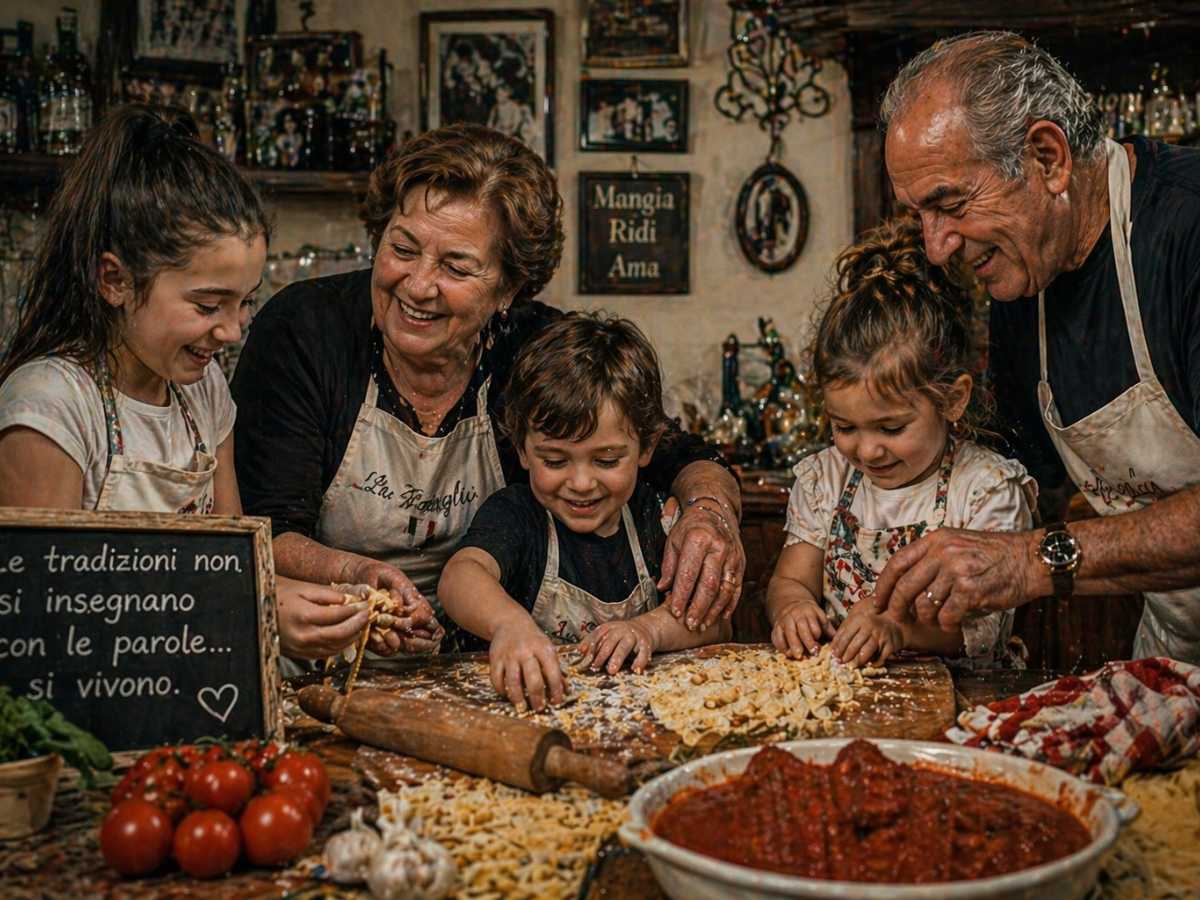
Nobody in my family used their real name. Giovanni was Giowan. Giuseppe was Pepe. And if there were two Giuseppes — and there were always two Giuseppes — one was Big Joe and the other was Little Joe, and everyone knew which was which without asking.
7 minute read
In my family, nobody went by their given name — and somehow everybody knew exactly who you meant.
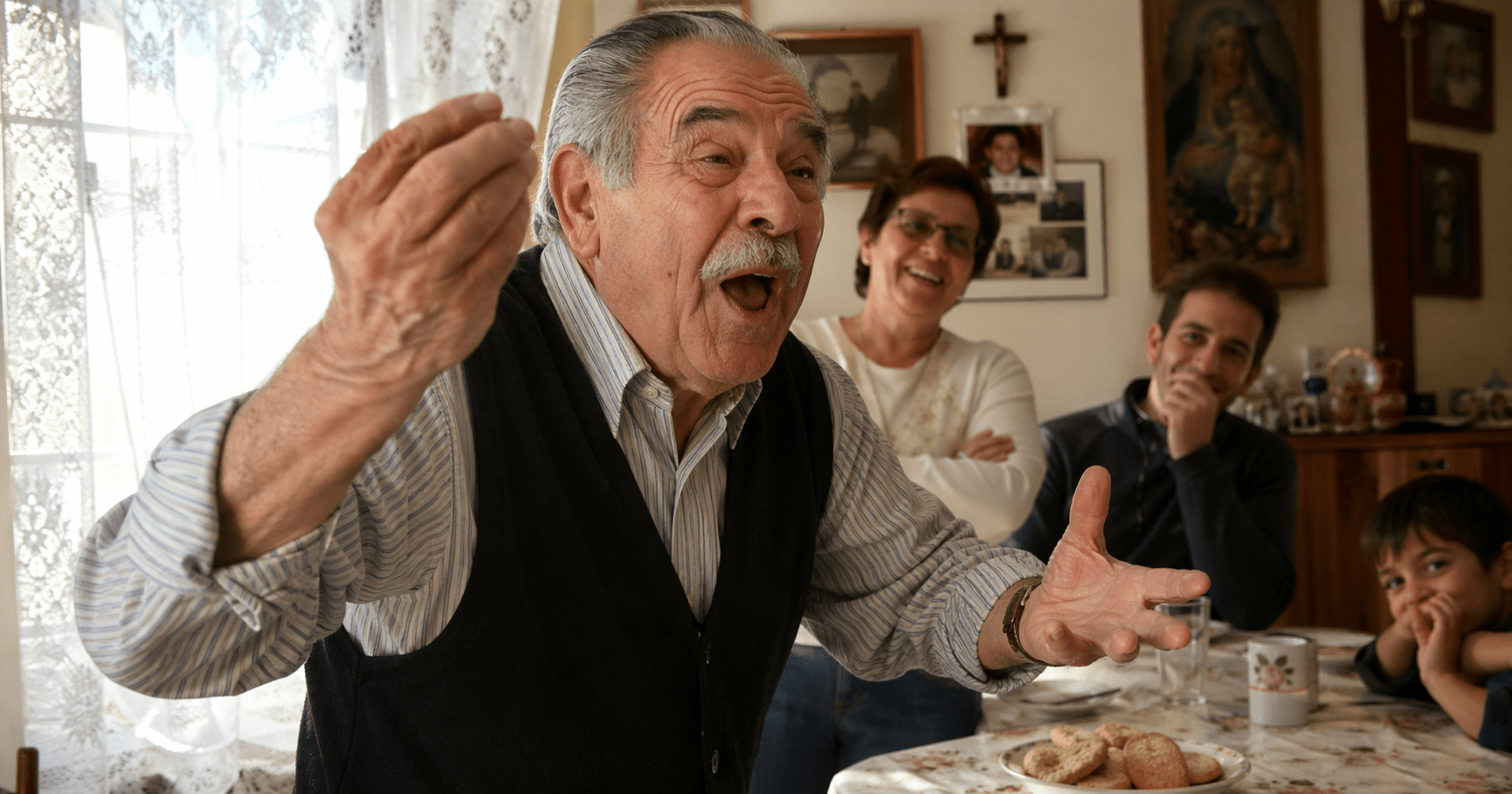
My grandfather Giovanni was Giowan. Not Giovanni. Not John. Giowan — a Calabrese dialect version that was neither the Italian nor the English but something in between, something that belonged only to the family and the village and the people who had known him long enough to stop using formal names.
Giuseppe was Pepe. Semino was Sammy. Antonio was Tony. Michele was Mikey. Giuseppina was Pina. Every long Italian name was shortened, softened, worn down by daily use into something faster and warmer — a name that fit in the mouth the way a nickname should, like it had been used ten thousand times and would be used ten thousand more.
This was not laziness. It was intimacy. The nickname told you how close someone was. The further you were from the formal name, the closer you were to the person.
The Short Version
Italian nicknames are a system — not random but patterned. Long names get shortened (Giuseppe→Pepe, Giovanni→Gianni, Giuseppina→Pina). When multiple people share a name, descriptors appear (Big Joe, Little Mikey, Junior). Profession-based nicknames turn an engineer into l’ingegnere and a talker into l’avvocato. And among friends, terms like paisà and waglio replace names entirely. Italian nicknames are how families tracked who was who, how close you were, and where you stood.
What’s in this guide
- The shortened names — how every Italian name got smaller
- The Italian nicknames table
- Big, Little, Junior — when one name wasn’t enough
- The profession nicknames — ingegnere, avvocato, and dottore
- Paisà, waglio, and what Italians call their friends
- Italian slang names and terms table
- When Giuseppe became Joe
- FAQ
The shortened names — how every Italian name got smaller
The first rule of Italian nicknames: if the name has more than two syllables, it will be cut in half. No exceptions.
Giuseppe became Peppe, Pepe, Pino, or Beppe — depending on the region, the family, or simply who got to the nickname first. Giovanni became Gianni, or Vanni, or — in my Calabrese family — Giowan, a dialect contraction that existed nowhere in any official record but was the only name anyone actually used.
Antonio was always Tony. Francesco was Franco. Salvatore was Sal. Vincenzo was Enzo. Giuseppina was Pina. Concetta was Connie. Maria was never shortened — Maria was sacred, and you did not trim it.
Names changed even more dramatically when families emigrated — see how Giovanni became John, or Jean in Quebec, and the everyday Italian-American slang the same families spoke at home.
These shortenings were not casual — they followed patterns that ran through the whole language. The ending was usually what got cut: the -eppe of Giuseppe, the -ardo of Riccardo, the -enzo of Vincenzo. What remained was the warm, familiar kernel of the name — the part the family kept, the part that meant ours.
The further you got from someone’s formal name, the closer you were to the person.
Love these Italian traditions?
Get new stories about Italian customs, folk beliefs, and family traditions — plus our free printable calendar of the Italian year.
The Italian nicknames table
The most common Italian names and the nicknames that replaced them — a quick reference for every family reunion where nobody uses their real name.
| Given name | Common Italian nicknames | Anglicized version |
|---|---|---|
| Giuseppe | Peppe, Pepe, Pino, Beppe | Joe, Joey |
| Giovanni | Gianni, Vanni, Nino, Giowan (dialect) | John, Johnny |
| Antonio | Tonino, Tonio, Nino | Tony |
| Francesco | Franco, Cecco, Ciccio | Frank, Frankie |
| Salvatore | Sasà, Totò, Turi | Sal, Sam |
| Vincenzo | Enzo, Cenzo | Vince, Vinny |
| Michele | Michelino, Lino | Mike, Mikey |
| Domenico | Mimmo, Menico | Dom, Dominic |
| Pasquale | Pasqualino, Lino | Pat, Patsy |
| Raffaele | Raffi, Lello | Ralph |
| Carmine | Carminiello | Carmine, Carmen |
| Rocco | Rocchino | Rocky |
| Pietro | Pierino, Piero | Peter, Pete |
| Gennaro | Gennarino, Rino | Jerry |
| Giuseppina | Pina, Pinuccia, Giusi | Josie, Josephine |
| Maria | Mariella, Mariuccia (rarely shortened) | Mary, Marie |
| Concetta | Cettina, Tina | Connie |
| Antonietta | Netta, Tonietta | Antoinette, Toni |
| Francesca | Franca, Cesca | Fran, Frances |
| Rosa | Rosetta, Rosina | Rose, Rosie |
| Lucia | Lucetta, Luciella | Lucy |
| Anna | Annina, Annetta | Ann, Annie |
| Carmela | Carmelina, Melina | Carmella |
Big, Little, Junior — when one name wasn’t enough
In a family where half the men were named Giuseppe and the other half were named Antonio, you needed a system to tell them apart — and the system was blunt.
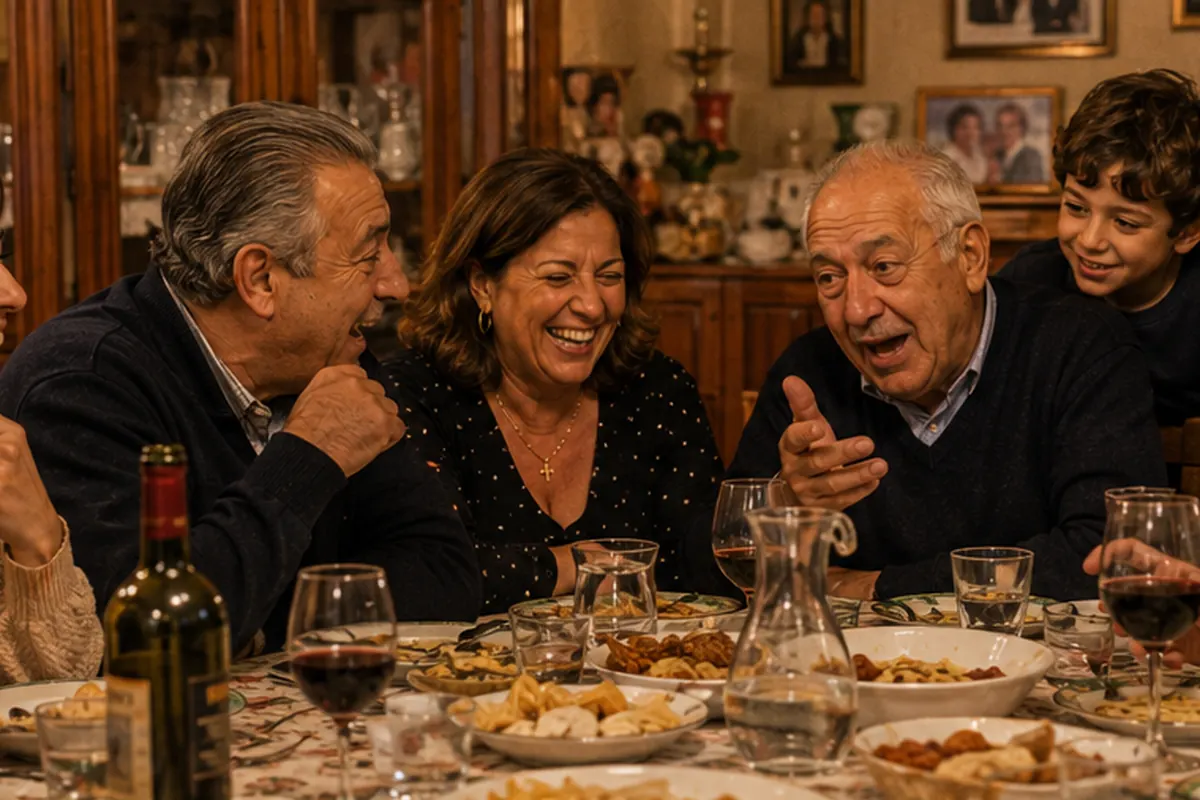
This is what happens when Italian naming tradition meets reality. In Italian families, children were traditionally named after grandparents — firstborn son after the paternal grandfather, firstborn daughter after the paternal grandmother, and so on through the onomastico naming pattern. The result was beautiful in theory and chaotic in practice: every generation recycled the same handful of names, and Sunday dinner had four Giuseppes at the table.
So descriptors appeared. Big Joe and Little Joe. Big Anthony and Little Anthony. Little Mikey. Junior. The descriptors were usually about size, but not always — sometimes age, sometimes temperament, sometimes nothing anyone could explain. They just stuck, and once they stuck, they were permanent. A man called Little Joe at age five was still Little Joe at sixty-five, even if he outweighed Big Joe by forty pounds. The nickname did not update.
And then there was Cheech — the universal, all-purpose Italian-American/Canadian nickname that seemed to land on at least one person in every family. Short for Francesco (via Ciccio), or sometimes just appearing from nowhere and attaching itself to whoever it suited. Every Italian family had a Cheech. Nobody questioned it.
Little Joe was still Little Joe at sixty-five, even though he outweighed Big Joe by forty pounds. The nickname did not update.
The profession nicknames — ingegnere, avvocato, and dottore
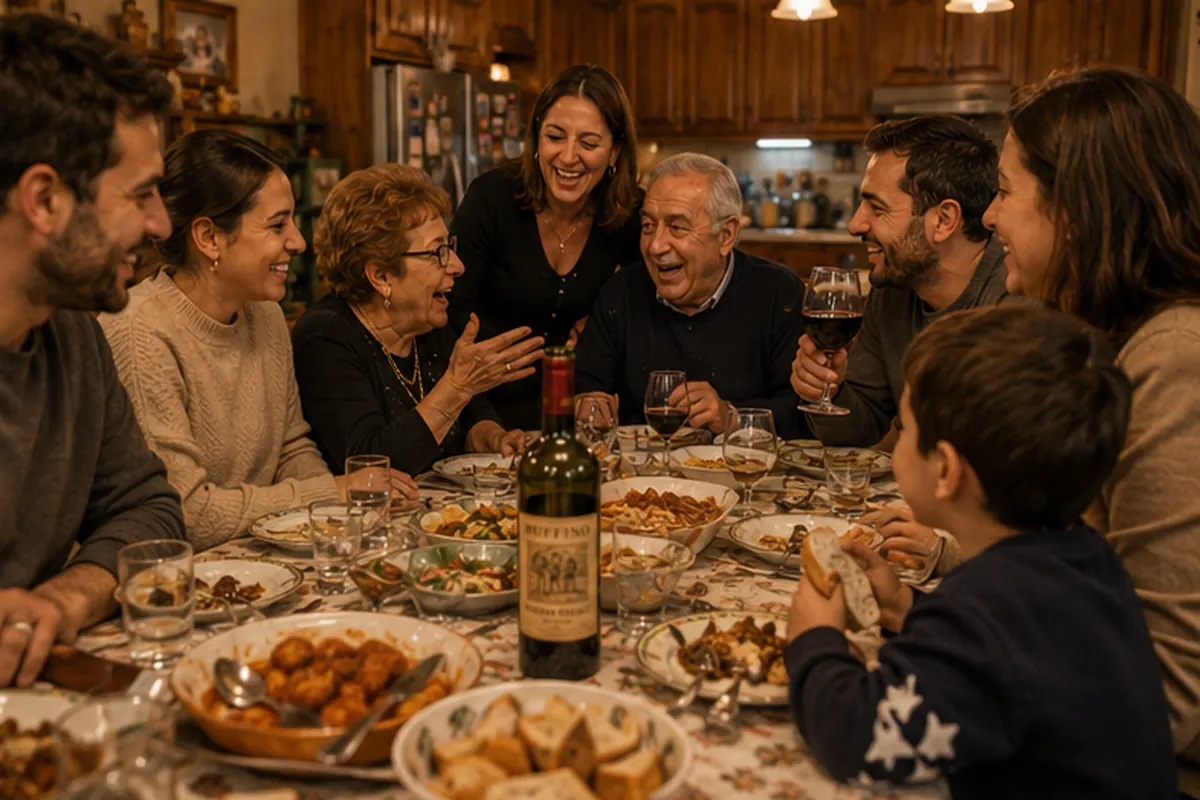
In the Italian world, your job could become your name — and it didn’t even have to be your actual job.
If a man in the community was an engineer or a builder, he became l’ingegnere — “the engineer.” Not behind his back. To his face. It was a title of respect, and once it landed, it replaced his name in conversation. People didn’t say “Ask Giuseppe.” They said “Ask l’ingegnere.”
But here’s where it got funny: you didn’t actually need to hold the profession. If a man talked a lot — argued well, always had an opinion, never shut up — he became l’avvocato, “the lawyer.” He was almost certainly not a lawyer. He was a guy at the café who talked like one, and the neighbourhood named him for it, and the name stuck forever.
Il dottore was anyone educated or respected, whether they held a medical degree or not. Il professore was the smart one. Il capo was the boss. These profession nicknames were half-respectful, half-teasing, and entirely permanent — a one-word summary of how the community saw you, applied without your consent and impossible to shake.
A note worth keeping — Profession-based Italian nicknames reveal something important about how southern Italian communities worked: your identity was public property. The village decided what to call you based on how they saw you, and you did not get a vote. It sounds harsh, but it was also a form of belonging — being nicknamed meant being known, and being known meant you mattered.
Paisà, waglio, and what Italians call their friends
Among Italian friends — especially southern Italian men — actual names disappeared entirely, replaced by a handful of warm, loud, unmistakable terms that meant something between “friend” and “brother” and “hey you.”
Paisà (or paesano) was the big one. It means “countryman” — someone from the same village, the same region, the same world. When an Italian man saw a friend across the street, the shout was not “Hey Giuseppe!” It was “Eyyy, paisà!” — a greeting that said you are one of mine in a single word. In the diaspora, where being from the same country mattered more than being from the same village, paisà expanded to cover any Italian you recognized as your people.
Waglio (from the Neapolitan/Calabrese guaglione, meaning “boy” or “kid”) was the term for a younger man or a buddy — casual, affectionate, and used regardless of actual age. Two sixty-year-old men could call each other waglio if the friendship was old enough and warm enough. It carried the energy of “kid” without the condescension — more like “my guy.”
Compare (literally “godfather” but used loosely) meant a close male friend, someone bonded to you through trust, not just acquaintance. Cumpà was the dialect shortening — faster, warmer, the way all Italian names became when people loved them enough to wear them down.
“Eyyy, paisà!” — one word that meant you are one of mine, shouted across a street and understood perfectly.
Italian slang names and terms table
The terms Italian families and friends used instead of names — what they meant, and when you’d hear them.
| Term | Meaning | How it was used |
|---|---|---|
| Paisà / Paesano | Countryman, fellow Italian | Greeting between Italian men; “he’s a paisà” = he’s one of us |
| Waglio / Guaglio’ | Boy, kid, buddy (Neapolitan/Calabrese) | Casual term for a friend or younger man; affectionate, not condescending |
| Compare / Cumpà | Godfather; close friend | A bonded male friend; “my compare” = my trusted guy |
| Comare / Cumma’ | Godmother; close female friend | A bonded female friend; the woman you trust most outside your blood family |
| Cheech | From Ciccio (Francesco) | Universal Italian-diaspora nickname; at least one per family |
| L’ingegnere | The engineer | An actual builder/engineer, or anyone who fixes things well |
| L’avvocato | The lawyer | Anyone who argues well or talks too much — rarely an actual lawyer |
| Il dottore | The doctor | Anyone educated or respected; not necessarily medical |
| Il professore | The professor | The smart one; the one who reads |
| Il capo | The boss | Whoever runs things, formally or informally |
| Bella / Bello | Beautiful | Term of endearment; “ciao bella” to a woman, “bello” to a man |
| Tesoro | Treasure | Term of endearment for children and loved ones |
| Cucciolo/a | Puppy, little one | Used for babies and small children |
| Vecchio / Vecchia | Old man / Old woman | Affectionate (not insulting) when used within the family |
| Zio / Zia | Uncle / Aunt | Used for any older family friend, not just blood relatives |
| Big + name | The older or larger one | Big Joe, Big Anthony — to distinguish from the younger/smaller version |
| Little + name | The younger or smaller one | Little Mikey, Little Tony — permanent regardless of actual size |
| Junior | The son | Named after his father; “Junior” sticks even into adulthood |
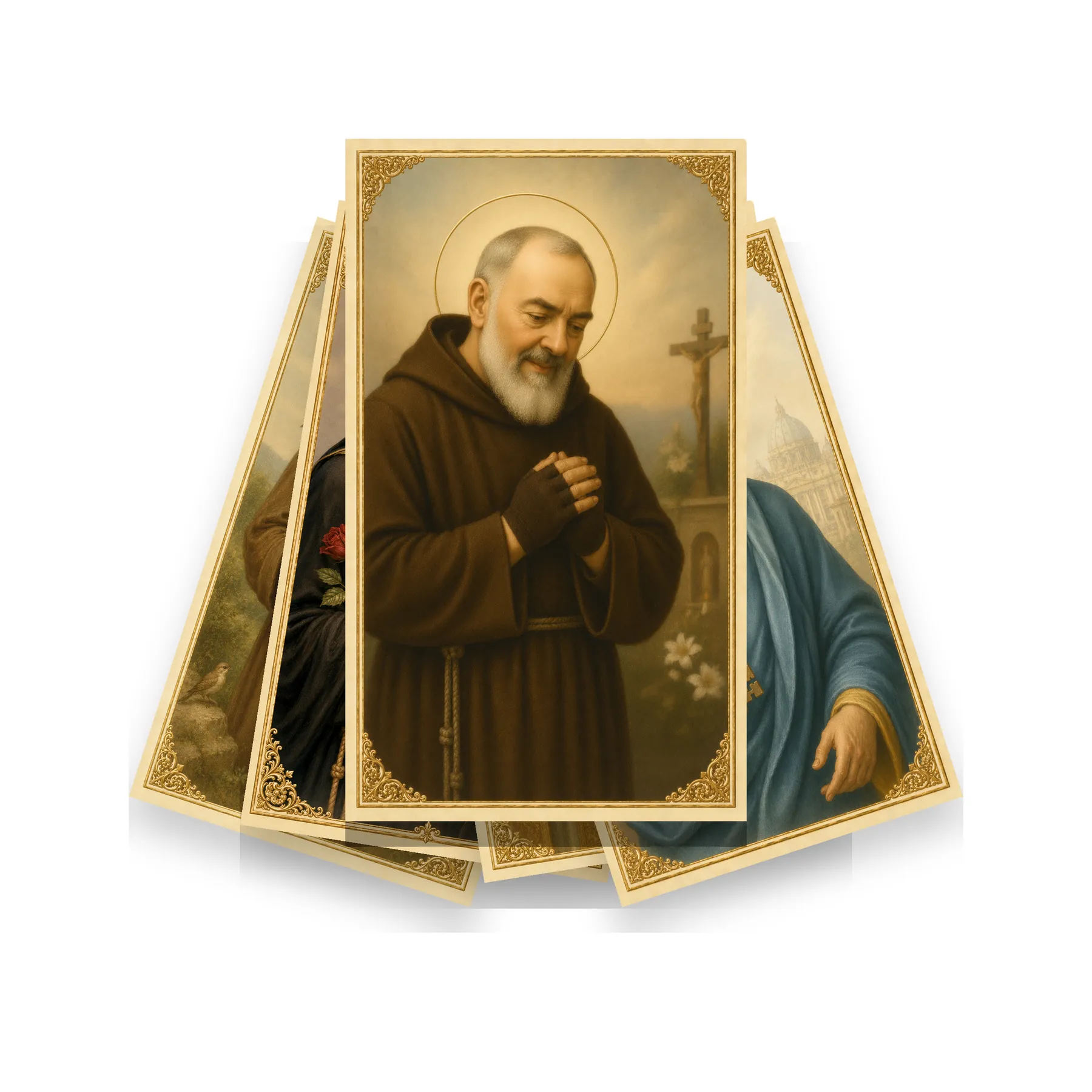
Every Italian nickname started with a saint. Giuseppe, Giovanni, Antonio, Lucia — each name carried a protector. Our printable saint prayer cards carry eleven of those saints, each with a traditional prayer in Italian and English.
$9.49
Instant digital download
When Giuseppe became Joe
The deepest nickname shift happened not inside the family but between the family and the new country — when the Italian name was traded for an English one.
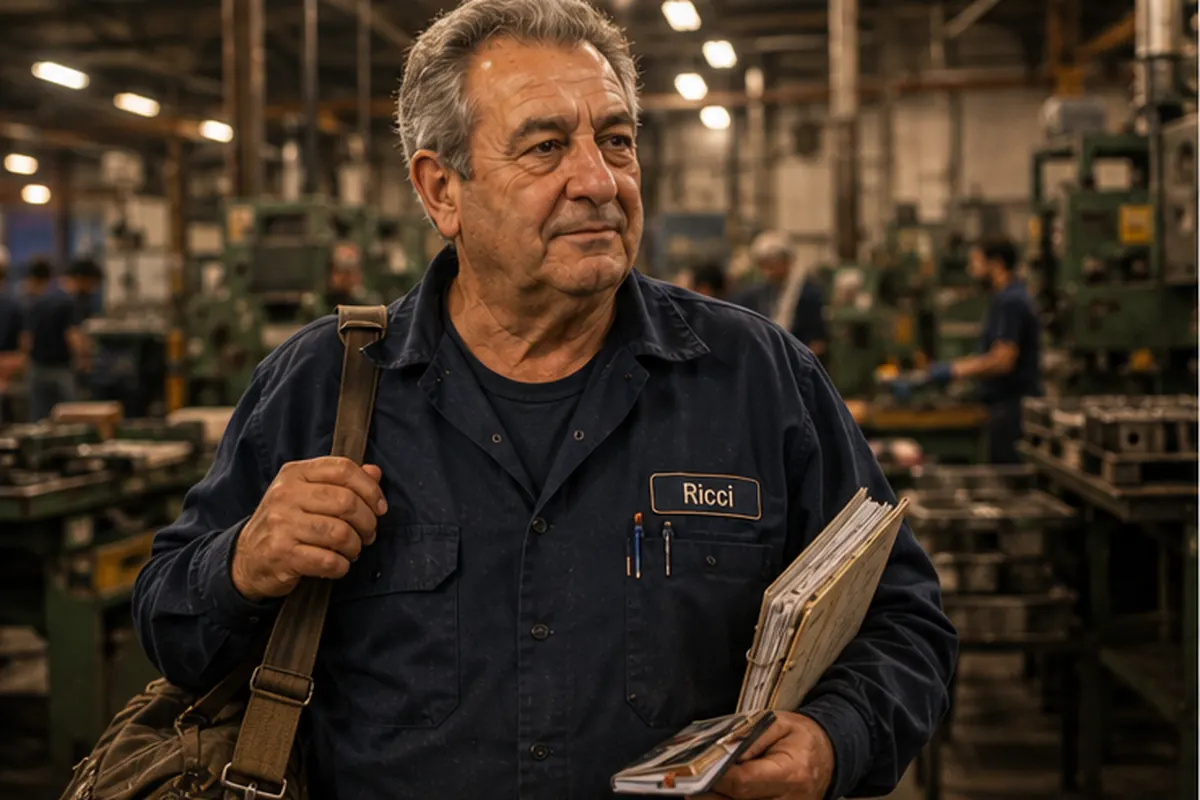
Giuseppe became Joe. Antonio became Tony. Giovanni became John. Salvatore became Sam. The long, rolling Italian names were replaced at the factory gate, at the school door, at the government office — anywhere the outside world decided the Italian version was too foreign, too hard to pronounce, too much.
Some men chose the change themselves, to fit in, to sound less foreign in a country that was not always kind to foreigners. Others had it chosen for them — a foreman who said “I’ll call you Joe” and never asked. Either way, the Italian name retreated to the home and the family, and the English name faced the world. A man could be Giuseppe at the dinner table and Joe at the job site, and the distance between those two names measured exactly how far he was from the country he had left.
In the next generation, many families stopped giving the Italian name altogether. The child was just Joe. Just Tony. Just Mike. The connection between the name and the saint — between the name and the onomastico, the name day, the whole system of Italian identity carried in what you were called — quietly thinned. The nonna still called you by the Italian version. But she was sometimes the only one.
He was Giuseppe at the table and Joe at the job site. The distance between those two names measured exactly how far he was from home.
In Summary
- Every long Italian name got shortened — Giuseppe→Pepe, Giovanni→Gianni, Giuseppina→Pina
- Dialect created its own versions — like Giowan for Giovanni in Calabrese
- Big, Little, Junior solved the problem of five Giuseppes at one table
- Profession nicknames turned builders into l’ingegnere and talkers into l’avvocato
- Among friends, names disappeared entirely — replaced by paisà, waglio, compare
- Anglicization traded the Italian name for an English one — Giuseppe became Joe at the factory gate, but stayed Giuseppe at the dinner table
FAQ
What are common Italian nicknames for Giuseppe?
The most common Italian nicknames for Giuseppe include Peppe, Pepe, Pino, Beppe, and Giusi (for the female form Giuseppina, which becomes Pina or Pinuccia). In the diaspora, Giuseppe was almost always anglicized to Joe or Joey. The name is one of the most common in Italian history — nearly every Italian family has at least one Giuseppe in its tree.
What does paisà mean in Italian?
Paisà (short for paesano) means “countryman” — someone from the same town, region, or country. It is used as a greeting and term of recognition between Italian men, especially in the diaspora, where it signals shared identity: “you are one of mine.” It is warm, informal, and carries the weight of belonging rather than mere acquaintance.
Why do Italian families have so many people with the same name?
Italian naming tradition dictates that children are named after grandparents — the firstborn son after the paternal grandfather, the firstborn daughter after the paternal grandmother, and so on. This means the same names (Giuseppe, Giovanni, Antonio, Maria, Concetta) cycle through every generation, resulting in multiple people at the same table sharing a name. Descriptors like “Big” and “Little” or “Junior” evolved to distinguish them.
What does Cheech mean as an Italian nickname?
Cheech comes from Ciccio, which is itself a nickname for Francesco. In the Italian-American and Italian-Canadian diaspora, Cheech became a standalone nickname that seemed to appear in nearly every family, sometimes attached to a Francesco and sometimes just landing on whoever it suited. It is informal, affectionate, and one of the most recognizable Italian-diaspora nicknames.
Why did Italian immigrants change their names?
Many Italian immigrants anglicized their names upon arriving in North America — Giuseppe became Joe, Giovanni became John, Salvatore became Sam. Some chose the change to assimilate and reduce the foreignness that could attract discrimination. Others had the change made for them by employers or officials who found Italian names difficult to pronounce. The Italian name often survived at home, used by family, while the English version faced the public world.
What did your family call each other? The nickname nobody can explain, the one that stuck since childhood, the name the nonna used that nobody else dared to — share it in the comments. Every Italian family has a system, and every system has at least one Cheech.
Marco Ricci is an Italian-Canadian writer and the grandson of Calabrian immigrants. He created Italian Family Traditions to document the customs, feast days, and family rituals Italian families carried from Italy to North America — and to understand what they actually meant. He is based in Montreal.